
Approach
An intuitive approach to acting
What if the sentiment “Shakespeare is meant to be performed, not read” applied to all plays and not just Shakespeare?
What if we could approach the performing arts as our ancestors did, letting go of rigid plot and character analysis, and instead embracing the nuance of the story through synthesis?
Imagine surrendering to empathy, curiosity and intuition, allowing your subconscious to absorb the given circumstances. From there, the character’s impulses and instincts grow naturally. You discover nuance and spontaneity, not because you planned them, but because you made space for them. That’s when performance stops feeling like performance. That’s when transformation happens.
These classes are about learning to trust that process. By merging The ‘Y’ Method with the Travis Technique, we’ll explore what it means to fully inhabit a character, tapping into authentic, unselfconscious performance that’s not forced, but in flow.
This is not traditional actor training. It’s a space where curiosity leads, not controlled pre-shaped ideas. Where your intuitive empathy isn’t a challenge to “manage” but a tool to harness, amplifying presence, spontaneity, and emotional truth.
The core of acting is to wonder into why, and surrender into flow. This is where the ‘Y’ Method begins not with technique, but with curiosity. Here, we don’t control the moment, we listen to it. We don’t act from the outside in, but from the inside out. Wonder becomes our compass. Flow becomes organic. And from this place, the actor doesn’t perform, they become.
Through The ‘Y’ Method, we move beyond scripts and structure to explore intuition, wonder, and connection. It’s acting from the inside out. No masking. No pretending. Just raw, responsive, deeply human work.
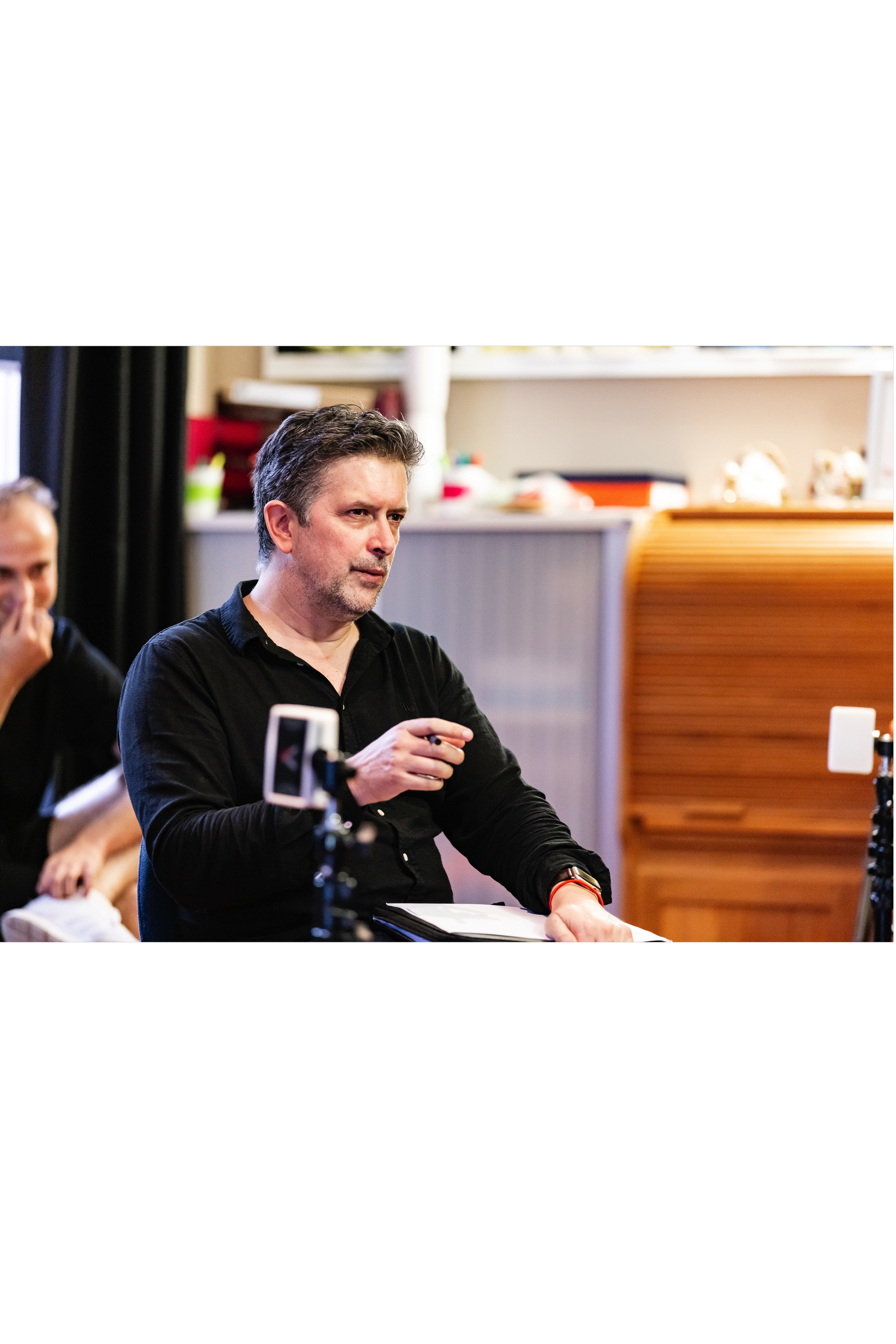
Foundational Techniques
An Overview of Foundational Techniques
True confidence is observed, not experienced.
As a neurodivergent actor and teacher, I’ve spent the last decade studying the brain, both conscious and subconscious, so I can clearly articulate how The ‘Y’ Method works and answer any question my students bring. This research has shaped a system that doesn’t just give you tools but helps you understand deeply why those tools work. That way you’re not faking it, you’re coming from a place of knowing and faith in yourself.
In these classes, you’ll train with the carefully hand-picked core elements of the world’s leading acting methods: Sanford Meisner, Konstantin Stanislavski, Lee Strasberg, Uta Hagen, Stella Adler, Matthew Harrison, Jeremiah Comey, and more. These aren’t taught as isolated tricks but as foundations that build into The ‘Y’ Method. By working with the essentials of emotion, behaviour and language, you begin to see how they connect, and, more importantly, how to make them your own.
The ‘Y’ Method also draws on cutting-edge psychological techniques grounded in research, integrating insights from NLP, body language, Carl Jung, Dr Jill Bolte Taylor, Dr Iain McGilchrist, Russell A. Barkley, Gabor Maté, Simon Sinek, Mihaly Csikszentmihalyi, Kyle Cease, and others. I’ve devised exercises that bring in all seven learning styles, so no matter how you process information, the work resonates. This is why it speaks so strongly to neurodivergent and sensitive individuals: it doesn’t ask you to fit a mould, it adapts to how you naturally learn.
As the fundamentals weave together, the work becomes second nature. It’s there when you need it most, whether in rehearsal, on stage, on set, or in the audition room. Instead of trying to fake it, you step into the moment with presence and truth.
My aim is that you not only experience its impact but understand deeply why it works, so you can immediately recognise and feel the difference between acting and being authentic.
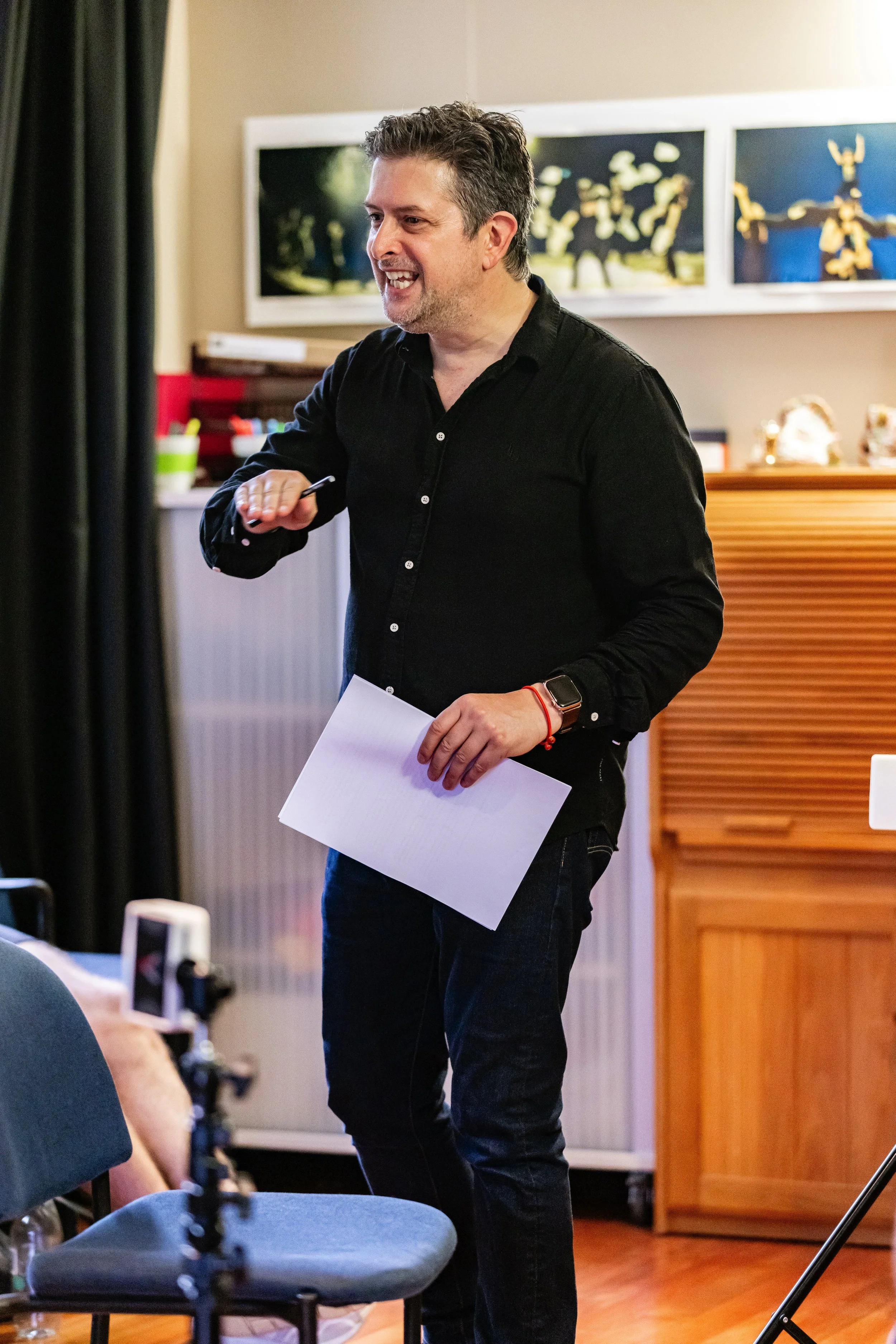
Confidence isn’t something you perform, it’s what others observe when you are fully yourself.

The ‘Y’ Method
Understanding THE ‘Y’ METHOD
Don’t be ‘right’, be real.
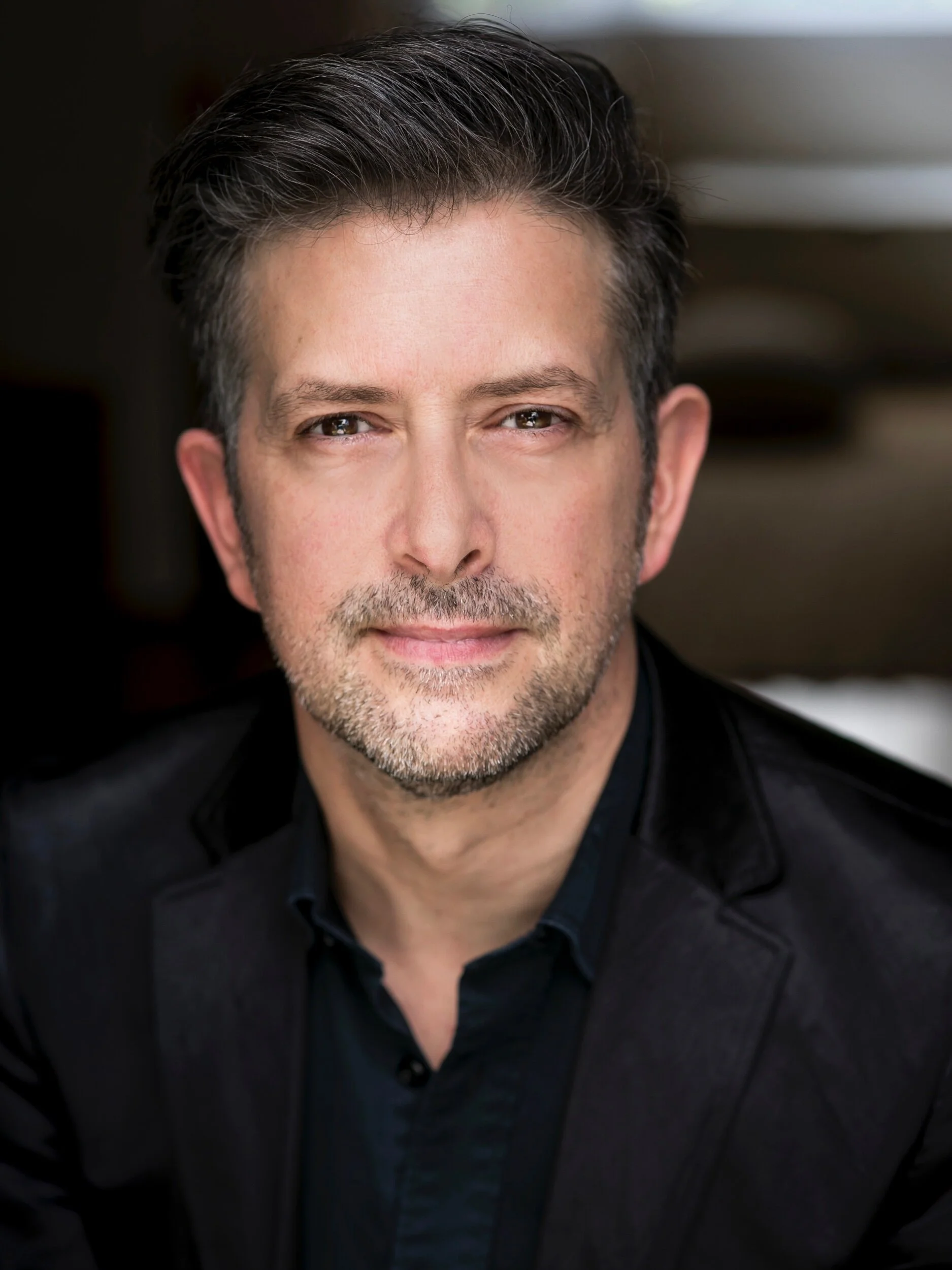
Creator of The ‘Y’ Method
Carl Drake
Once you’ve laid the groundwork, we begin to shift. The ‘Y’ Method isn’t about imposing a performance, it’s about uncovering one. Rooted in curiosity, intuition, and embodied listening, this approach invites you to meet the character through wonder, not through analysis.
Instead of forcing choices, we let the scene breathe. We follow the intuition, the expectations, the moments that surprise even you. It’s less about control and more about connection. You’ll learn to trust the moment and surrender to your creativity.
In the depths of my own journey with a neurodivergent mind, I found an unconventional path to learning, one that revolved around understanding the profound essence of a character before anything else. It wasn't until I encountered Simon Sinek's book, "Starting with Why," that I unearthed the realisation that my innate approach aligned with his concept. In that moment, the seed of what would later become the ‘Y’ Method was planted.
The ‘Y’ Method isn’t just a technique, it’s a philosophy. One that invites you to uncover the deeper purpose behind every line you deliver.
This method guides you beyond surface performance and into a state of flow, where intuition, truth, and presence merge. Here, acting becomes less about effort and more about alignment. You think less about being ‘right’ and more about being ‘real’. You don’t perform the role; you become it.
With the ‘Y’ Method, you receive instant biofeedback. You’ll know, not by approval or applause, but by internal resonance, whether you’re in flow or forcing it. When you’re out of sync, you’ll feel it. And when you’re in it, you’ll drop effortlessly into authenticity.
A past student described the experience as "It feels like night and day.”
This quiet knowing liberates you from the need for external validation. It fosters intuitive self-trust, grounding your work in purpose and making your presence, on stage or screen, compelling and real.

The Travis Technique
Utilising The Travis Technique
Directing the character, not the actor.
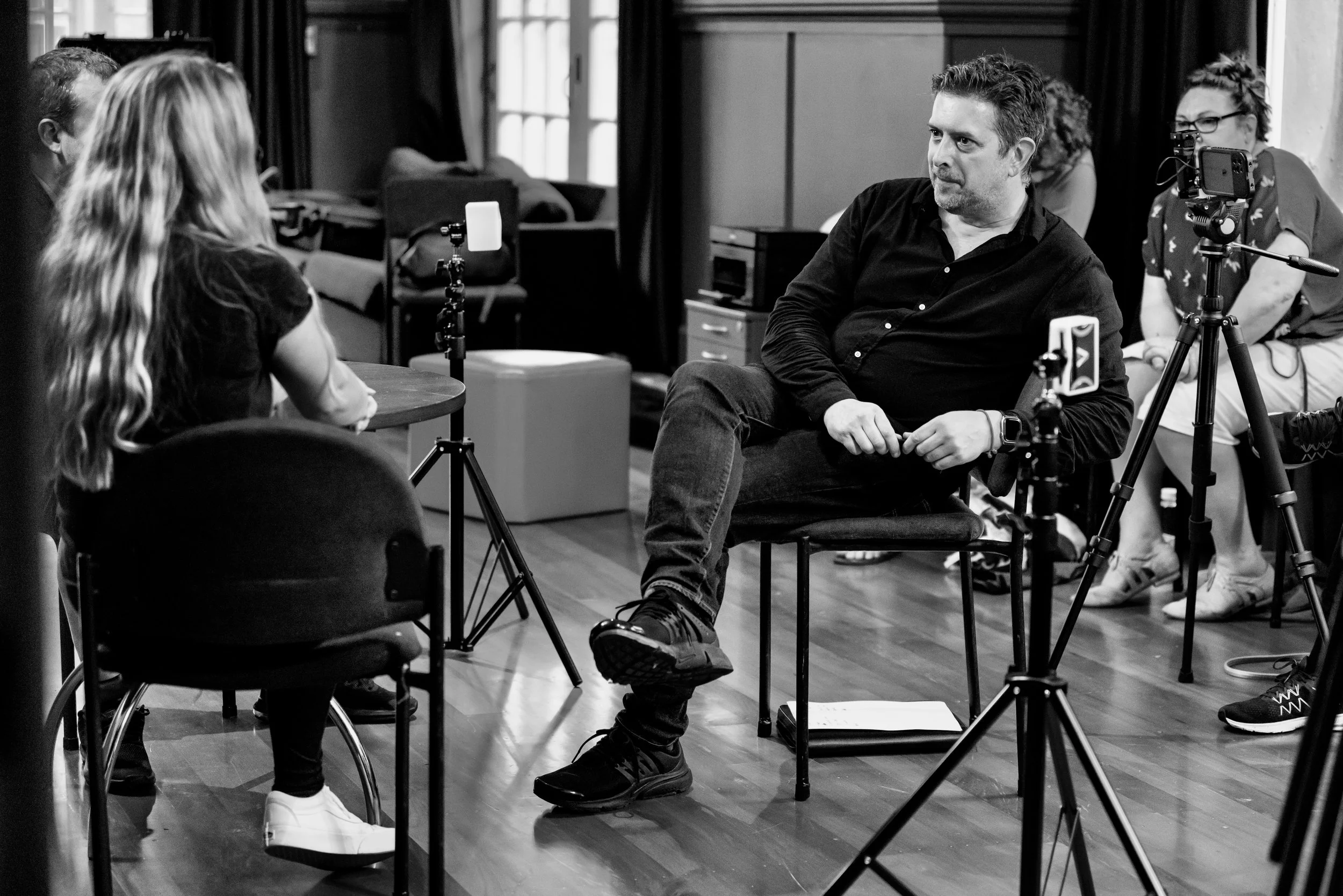
After the ‘Y’ Method opens that space of authenticity, I shift into utilising Mark Travis’ Directing Technique. In my classes, we start with the process of building the character’s backstory and gather all that context.
Then, with the simultaneous monologue between scene partners, the actors use that information to create a shared emotional memory.
This essentially means that during the performance, the actors are no longer having to pull raw emotions from their own personal lives; instead, they’re drawing on the emotional memory built right here in these exercises.
This approach frees the actor from having to dig up old traumas. They stay in a safe, controlled environment, and the character takes on the emotional weight. It’s all about letting that alter ego come to life, so the actor can enjoy the journey and trust the process.
And as one past student put it, it’s basically the cheat code of acting, a way to unlock authentic performance without personal struggle. That way, the actor just rides along and lets the character do the heavy lifting.
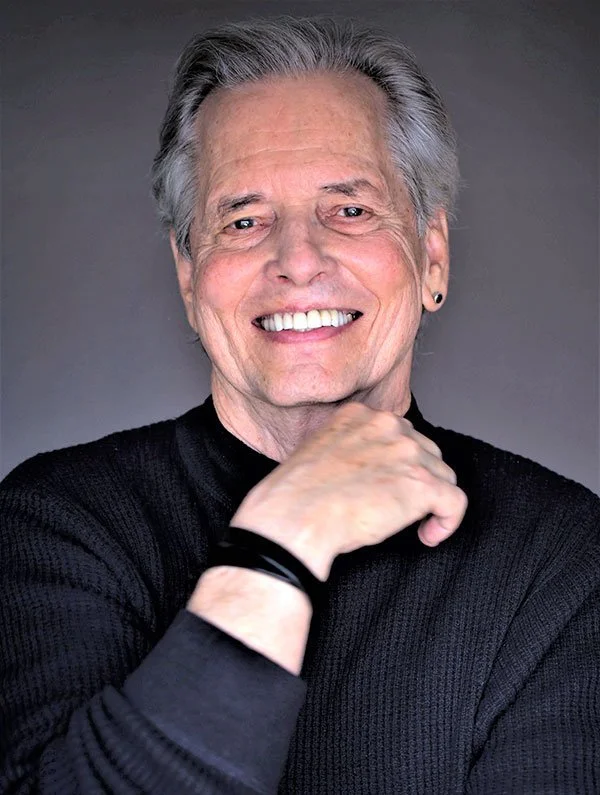
Creator of The Travis Technique
Mark W. Travis
Mark W. Travis is regarded by Hollywood and independent film professionals internationally as the world’s leading teacher and consultant on the art and craft of film directing. Known as “the director’s director,” Mark is in high demand on film projects worldwide for his insightful coaching of, and collaboration with directors, actors and writers.
Winner of over 30 directorial awards, Mark Travis has taught his cutting-edge directing approach at 5 Directors Guilds and major film studios, as well as, at more than 50 film schools and film organisations worldwide. His consulting clients include Academy Award winners and nominees.
Mark’s work has guided countless actors and directors, and I bring those same processes into the room so my students can experience their full impact.