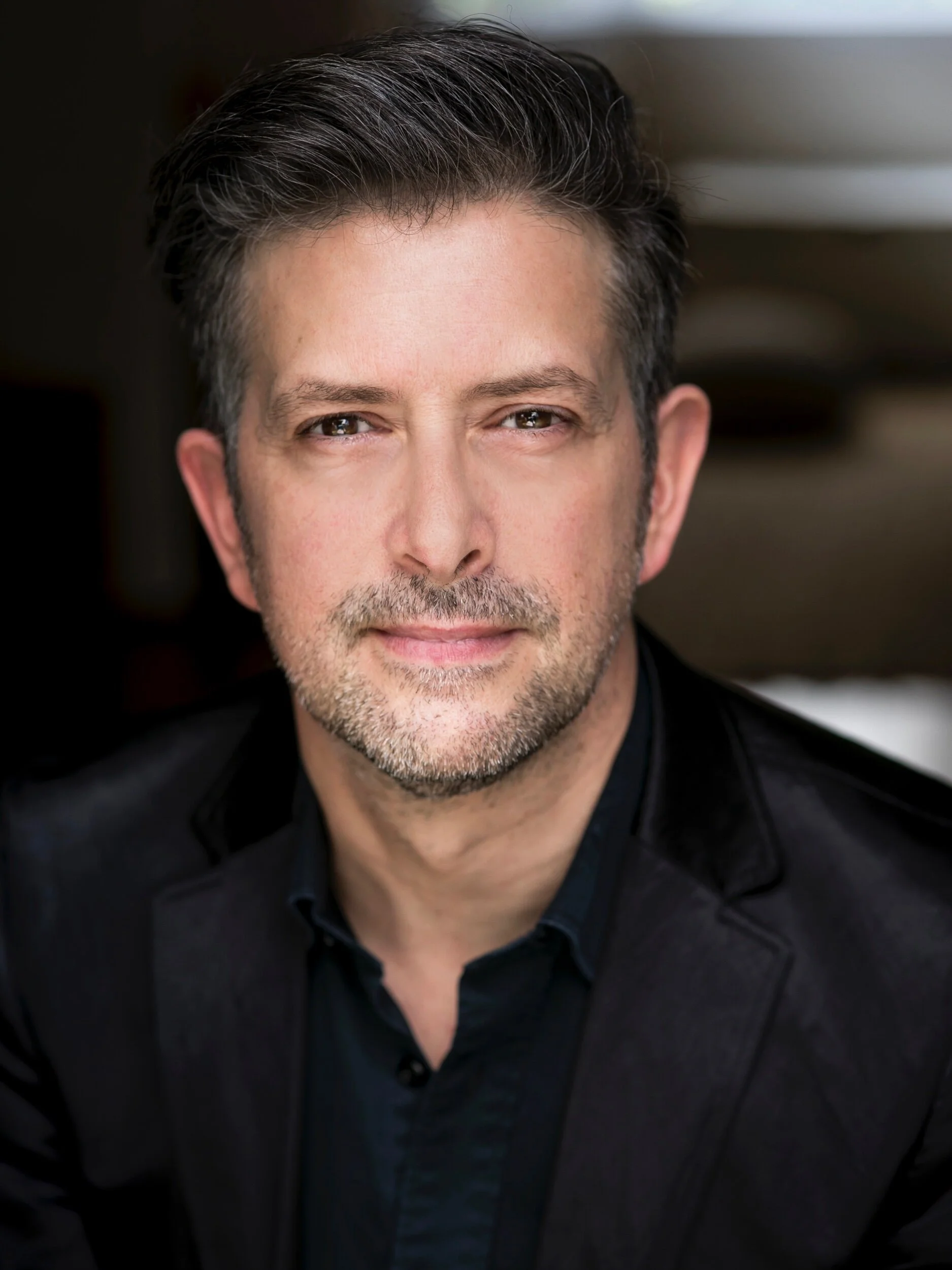
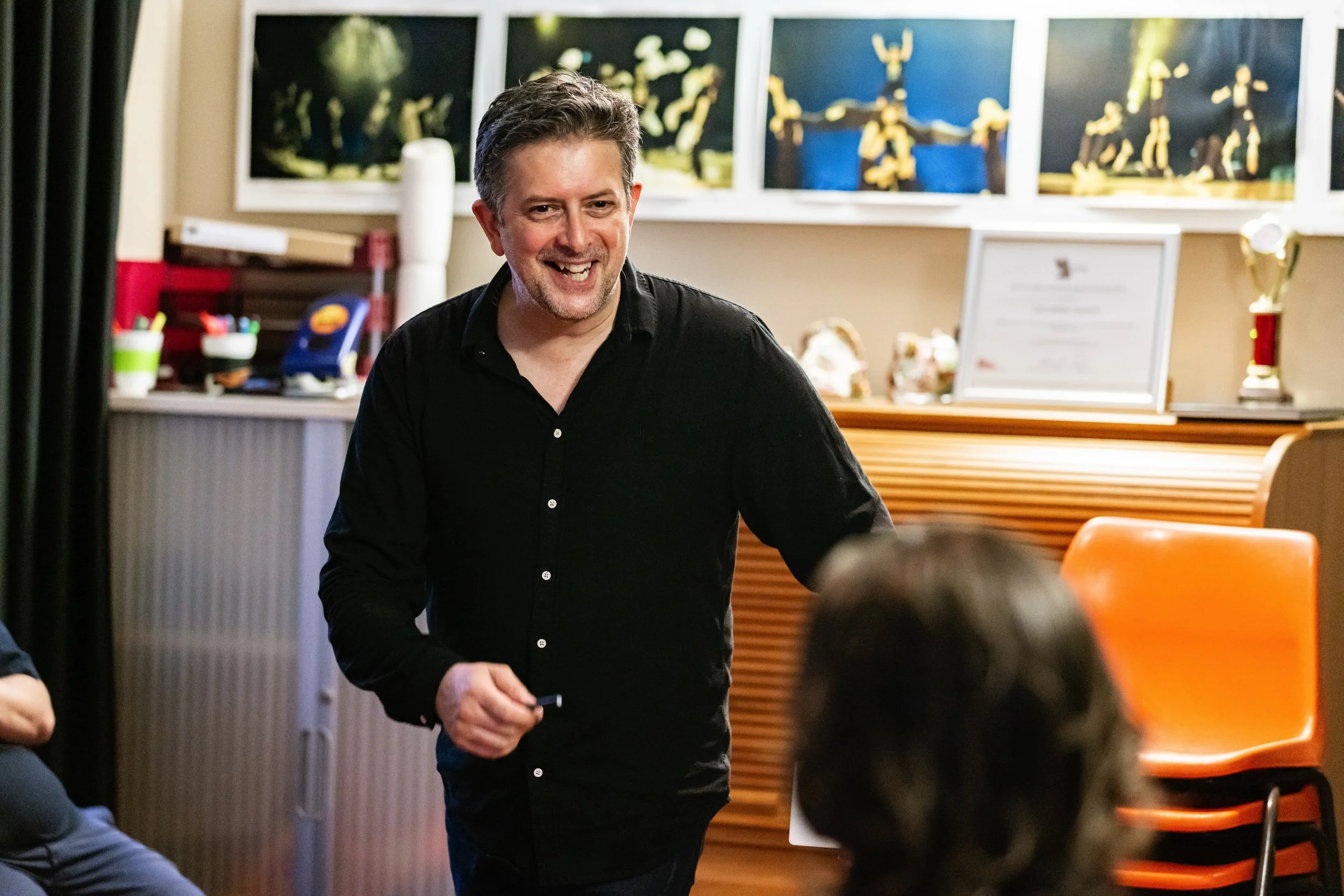
My name is Carl Drake, I’m an actor, director and more recently acting coach and founder of The ‘Y’ Method.
I didn’t arrive at this work through any particular traditional technique.
I arrived at it by paying attention to myself.
For most of my life, I knew there was a gap between how I was expected to learn and how I actually learned. I could sense things quickly. People. Atmospheres. Subtext. But when I tried to explain how I knew what I knew, I found it almost impossible to articulate.
An ADHD diagnosis later in life didn’t give me answers so much as permission. Permission to stop asking, “What’s wrong with me?” and start asking, “How does my mind actually work?”
That question changed everything.
I started reading. Deeply. Neurodivergence. Autism. Cognitive science. Not looking for validation, but for patterns. What I kept finding was research that described, in clinical language, experiences I already recognised in my body.
One of those discoveries was Theory of Mind.
What struck me immediately wasn’t the concept itself, but how it had been discovered. It wasn’t found by studying what people do well. It emerged through autism research, by noticing what happens when an intuitive capacity is disrupted. The ability to sense what others are thinking or feeling without consciously reasoning it out.
That landed hard.
Because I knew, from experience, that whenever I tried to cognitively work out what someone was thinking, I was usually wrong. But when I stayed present and listened, not just to them but to what was happening in me, the understanding arrived on its own. Quietly. Accurately.
I saw the same thing play out again and again in rehearsal rooms.
Actors who worked hardest to get it right often felt disconnected. Actors who stopped trying to control the moment and stayed responsive felt alive. The difference wasn’t talent. It wasn’t intelligence. It was where attention was placed.
I didn’t call this intuition at first. I just knew when something felt true and when it didn’t. I noticed that the more I trusted that internal signal, the more reliable it became. Not vague. Not emotional. Precise.
Only later did I realise that what I had been relying on was implicit processing. A form of knowing that operates beneath conscious awareness or deliberate control. The same system that allows us to read a room, sense tension, feel when something shifts.
This work didn’t begin as a philosophy. It began as self trust.
Learning when to think.
Learning when to stop thinking.
Learning how to let understanding emerge instead of forcing it.
The Y Method grew out of that lived process. Not as a system imposed from the outside, but as a way of working that honours how understanding and connection actually arise. It came from observing when intuition is free to operate and when it gets overridden. From noticing the moment conscious effort stops helping and starts interfering.
The Y Method doesn’t ask actors to abandon preparation. In fact, it assumes preparation. Analysis, research, script work, curiosity, structure. All of that matters. But it also recognises a critical point that often gets missed. The work that helps you arrive is not the work that should be running the performance.
For naturally intuitive and empathetic people, this approach tends to feel familiar. It gives language and structure to something they already sense but may not fully trust. It validates a way of working that relies on listening, responsiveness, and embodied presence rather than control.
For highly analytical actors, it offers something different but equally vital. A way to let go. To step out of the head at the right moment. To allow all that careful preparation to settle beneath the surface so it can express itself without force.
In both cases, the aim is the same.
A performance that feels real rather than managed.
Alive rather than constructed.
Present rather than self-conscious.
When the conscious mind steps aside, something else takes over. Impulse replaces intention. Listening becomes effortless. Behaviour arises from relationship rather than plan. What remains is not technique on display, but a human being responding truthfully within given circumstances.
If any of this resonates, not as an idea to be convinced by but as something you recognise from your own experience, then you already understand the essence of the Y Method.
It isn’t about becoming someone else.
It’s about allowing what’s already there to lead.